

Employers are tightening prior-authorization rules and cutting weight-loss drug coverage for 2026. Here is how to navigate open enrollment prescription changes.
As millions of American workers sit down to complete their fall open enrollment paperwork, they are discovering that the biggest surprises in their 2026 health benefits aren’t just higher monthly premiums—they are tucked inside the pharmacy formulary guide.
Over the past two years, surging patient demand for blockbuster GLP-1 weight-loss and diabetes treatments completely transformed the economics of corporate healthcare. With list prices for these monthly injectable therapies hovering around $1,000 per patient, employers across the country have watched their pharmacy benefit bills explode.
Heading into 2026, companies are pushing back hard. Benefit managers are introducing strict new prior-authorization requirements, higher out-of-pocket prescription tiers, and in some cases, dropping coverage for weight-loss medications entirely to prevent total premiums from spiraling even higher.
Why the Prescription Drug Formulary Is Changing for 2026
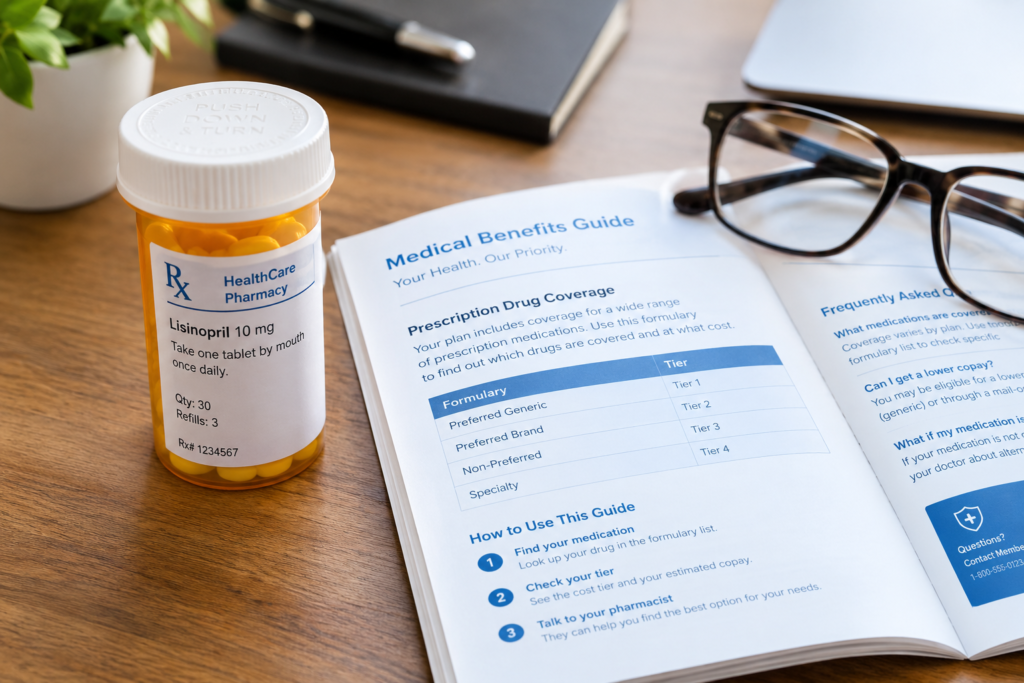
Health insurance formularies—the tiered lists of medications that determine which drugs your plan pays for and how much you pay at the pharmacy counter—undergo annual updates every autumn. For 2026, however, the revisions are much more aggressive than usual.
Surveys of large and small U.S. employers show that pharmaceutical costs now account for more than 20 percent of a typical company’s total healthcare spending. Because chronic medications require ongoing monthly refills, insurers have been forced to rethink how they manage expensive brand-name therapies.
The Stricter Hurdles Facing Weight-Loss Treatments
If you or a family member currently relies on a brand-name GLP-1 medication, don’t assume your current prescription will glide through smoothly on January 1. Insurers are putting up several new guardrails:
- Stricter BMI and health condition requirements: Requiring documented proof of obesity-related conditions such as hypertension, sleep apnea, or cardiovascular disease before approving coverage.
- Mandatory lifestyle management programs: Enrolling patients in digital diet and exercise tracking coaching apps as a condition for continuing medication authorization.
- Tighter step-therapy protocols: Mandating that patients try older, less expensive oral generic drugs before gaining access to premium injectables.
- Complete exclusions on weight-loss coverage: Dropping obesity indications entirely while continuing to cover the same drug for patients with diagnosed type 2 diabetes.
What Happens to Other Specialty and Maintenance Drugs?
The pressure isn’t isolated to weight-loss therapies. To balance their overall 2026 budgets, many insurance carriers are shifting other brand-name maintenance medications into higher copayment brackets:
- The rise of Tier 4 and Specialty Tiers: Replacing simple $30 or $50 copays with coinsurance percentages, meaning patients must pay 20 to 30 percent of the drug’s retail price out of pocket.
- Increased prior-authorization renewals: Requiring doctors to submit new clinical paperwork every six months rather than allowing automatic annual renewals.
- Mandatory mail-order fulfillment: Requiring 90-day supplies of maintenance drugs to be shipped through designated mail-order pharmacies rather than filled at local neighborhood drugstores.

4 Essential Steps to Protect Your Medication Access for 2026
Before you finalize your plan elections for next year, take these proactive steps to ensure your daily treatments remain affordable:
1. Download the Full 2026 Drug Formulary Right Now
Don’t rely on the quick two-page summary packet handed out by your HR department. Log into your benefits portal, download the complete 2026 prescription drug list, and look up every single medication your household takes. Check whether any daily drugs have jumped from Tier 2 to Tier 3.
2. Contact Your Doctor Before December to Renew Authorizations
Prior-authorization approvals often expire on December 31. If your doctor’s office waits until mid-January to submit re-authorization paperwork, you could face unexpected delays or full-price bills when you go to pick up your regular refills. Ask your clinic to submit updated paperwork well before the holiday rush.
3. Explore Manufacturer Savings Cards and Patient Assistance
If your employer drops coverage for a specific brand-name therapy, check the drug manufacturer’s official website for commercial co-pay savings cards. Many pharmaceutical companies offer copay reduction programs that bring monthly costs down for patients with commercial insurance that excludes specific therapies.
4. Ask About Therapeutic Generic Alternatives
If your copay for a brand-name medication jumps to an unaffordable tier, schedule a brief consultation with your prescribing physician. In many cases, an equally effective generic alternative exists in the same therapeutic class for a fraction of the monthly cost.
Frequently Asked Questions (FAQs)
1. What are the new prescription drug rules for 2026?
Prescription drug rules for 2026 may affect how health insurance plans cover medications, determine out-of-pocket costs, and organize their approved drug lists, known as formularies. Depending on the plan, some medicines may require prior authorization, step therapy, or a higher copayment. Members should review their plan’s updated drug list and coverage documents to understand which changes apply to them.
2. What are GLP-1 medications, and why are coverage limits changing?
GLP-1 medications are prescription drugs that can help manage type 2 diabetes and, for certain approved medicines, support chronic weight management. Some insurers have introduced or adjusted coverage requirements because these treatments can be expensive and demand has increased. Coverage depends on the medication, its approved use, the patient’s circumstances, and the specific insurance policy.
3. Will health insurance cover GLP-1 medications for weight loss in 2026?
Not every health insurance plan covers GLP-1 medications for weight loss. Some plans may cover specific treatments when eligibility criteria are met, while others may exclude weight-management medications or impose restrictions. Coverage for diabetes treatment may differ from coverage for obesity treatment, even when medicines belong to the same drug class. Check the plan’s formulary and exclusions before starting treatment.
4. How could prescription drug changes affect my monthly healthcare costs?
Changes to drug coverage can affect copayments, deductibles, coinsurance, and the amount patients pay for medications that are not covered. A medicine that moves to a different formulary tier may become more expensive, while a newly covered generic alternative could reduce costs. Reviewing the updated plan documents and comparing total expected healthcare expenses can help you prepare for 2026.
5. What should I do if my insurance stops covering a medication I need?
Start by contacting your insurance company or pharmacy benefits manager to confirm the reason for the coverage change. Ask whether an alternative medication is covered, whether your prescriber can request an exception, or whether an appeal is available. Your healthcare professional can help assess appropriate alternatives. Do not stop or change a prescribed medication without discussing it with your clinician.
6. How can I compare health insurance plans based on prescription drug coverage?
Compare more than the monthly premium. Check whether your medications appear on each plan’s formulary, what tier they occupy, and whether prior authorization or step therapy applies. Also review deductibles, copayments, pharmacy networks, and annual out-of-pocket limits. For GLP-1 medications, confirm coverage for the specific drug and intended medical use rather than assuming every drug in the category is covered.
7. Where can I find accurate information about 2026 prescription drug coverage?
For U.S. health insurance, begin with your insurer’s official 2026 plan documents, formulary, and Summary of Benefits and Coverage. If you have Medicare, consult Medicare.gov and your plan provider for applicable prescription drug information. People with employer-sponsored coverage can contact their benefits administrator, while Marketplace members can review their plan through HealthCare.gov or their state’s official marketplace. Because rules vary by plan and program, verify details before making healthcare or financial decisions.