
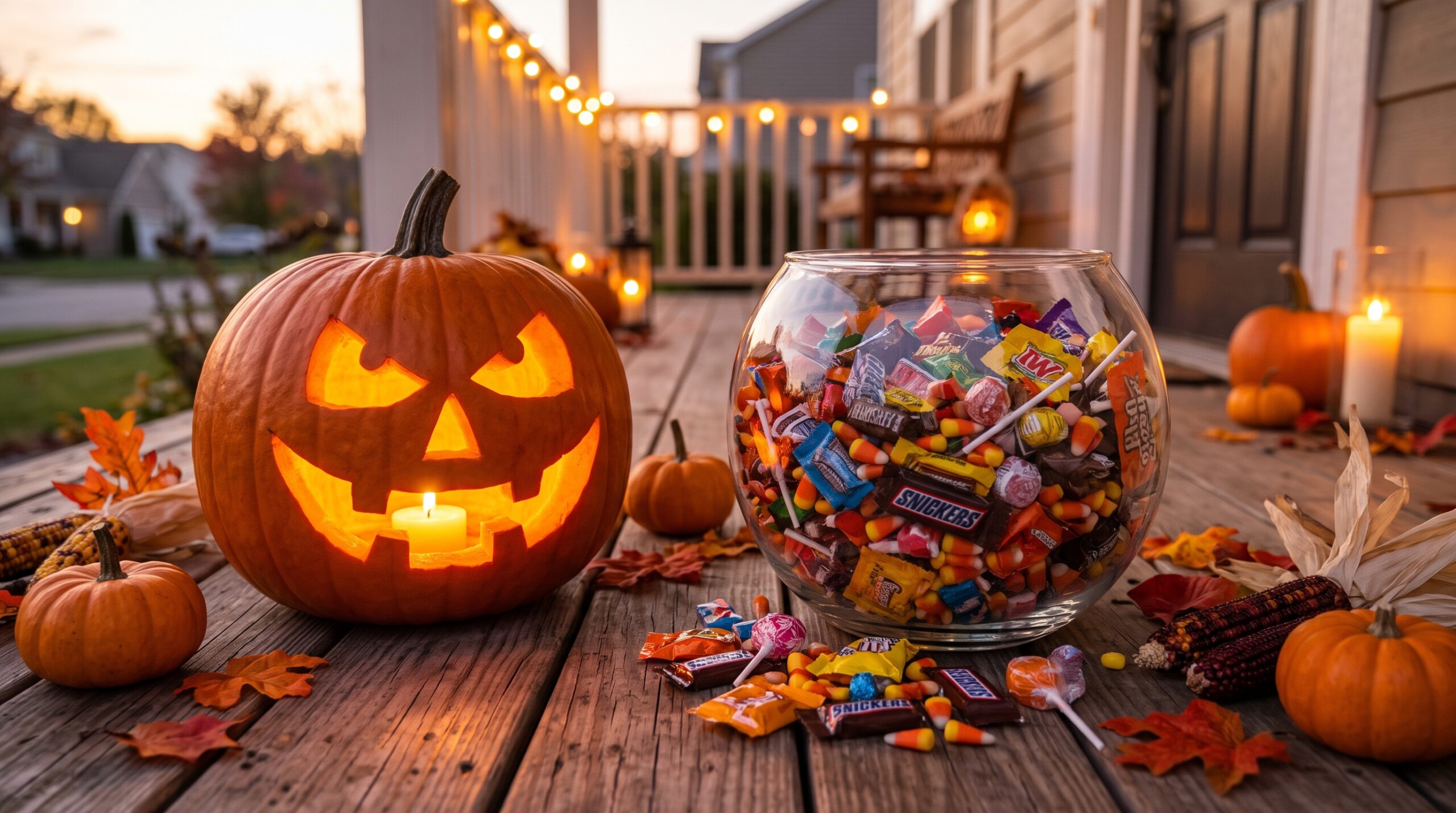
Halloween candy prices have jumped over 8 percent due to surging cocoa costs. Here is why Americans will spend $13.5 billion on treats and how to save.
If you have strolled down the seasonal candy aisle at your local grocery store or big-box retailer this week, you have probably noticed a rather frightening development: that familiar orange bag of miniature chocolate bars costs noticeably more than it did last autumn.
Heading into Halloween night, consumer retail surveys project that Americans are on track to spend a record-shattering $13.5 billion on treats, spooky costumes, and outdoor decorations. That easily tops the previous all-time high of $13.1 billion set last year, with the average household shelling out roughly $115 to participate in the festivities.
Yet under the surface of those record-breaking spending figures lies a growing frustration among parents and party hosts. Retail candy prices have climbed more than 8 percent over the past twelve months—with certain chocolate items jumping as much as 15 percent—forcing families to make tough choices about how many trick-or-treaters they can afford to treat.
The Global Cocoa Squeeze Behind the Candy Aisle
Why is candy suddenly so expensive in 2026? While general grocery inflation has slowed down compared to the sharp spikes of recent years, chocolate manufacturing has been hit by a perfect storm of climate and agricultural disruptions.
Global cocoa production across West Africa—which supplies the vast majority of the world’s cocoa beans—suffered consecutive seasons of severe drought followed by unseasonal torrential rains and crop disease. As cocoa futures surged to historic highs on global commodity markets, major confectioners had no choice but to pass those raw ingredient expenses straight onto retail shelves.
The Numbers That Define Halloween 2026
Even with higher price tags, the cultural excitement around trick-or-treating remains as strong as ever:
- $13.5 billion total projected spending: Marking the highest overall retail expenditure on Halloween in American history.
- $115.14 average spend per consumer: Rising from $114.45 last year as shoppers absorb higher prices across candy, costumes, and yard props.
- 96 percent of celebrants buy candy: Keeping sweet treats as the single most popular shopping category of the entire autumn holiday.
- An 8.1 to 15 percent price hike on treats: Creating real sticker shock for families buying multiple variety bags for neighborhood distribution.
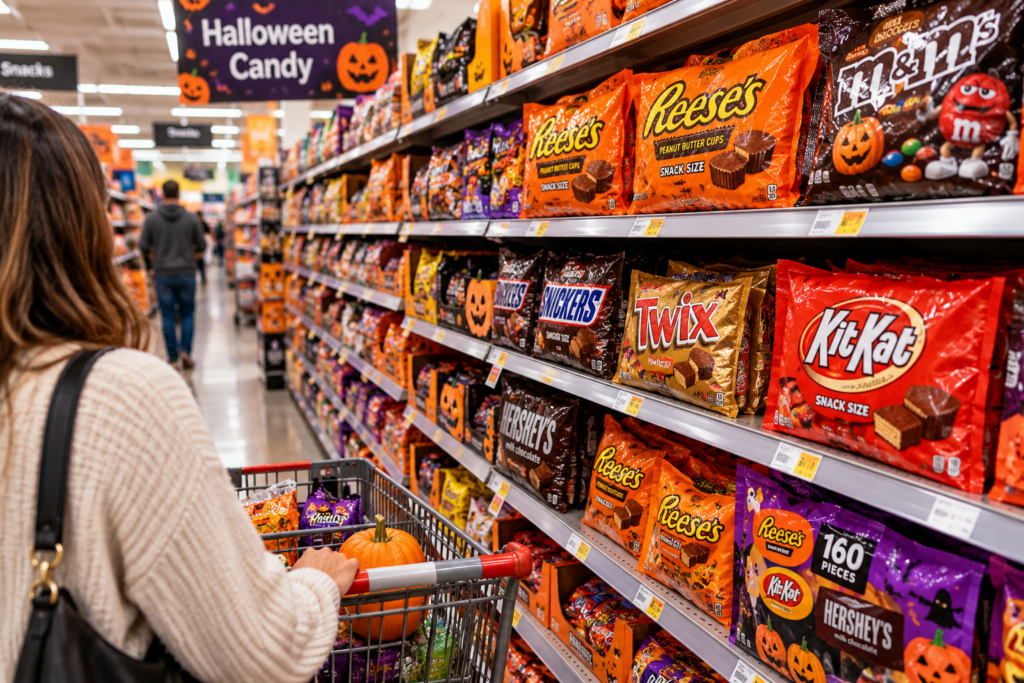
How High Candy Costs Are Changing Trick-or-Treat Habits
Faced with steep prices, American consumers are getting creative rather than canceling the holiday. Retail tracking shows that unit sales of large, name-brand chocolate variety bags actually dipped by around 6.7 percent in mid-October as budget-conscious shoppers reevaluated their carts.
Instead of filling multiple bowls with premium chocolate treats, many households are adjusting their neighborhood strategy:
- Switching to gummy and hard candy: Fruit-flavored gummies, lollipops, and sour chews rely primarily on corn syrup and sugar, allowing confectioners to price them much lower than cocoa-heavy chocolate bars.
- Downsizing the candy count: Handing out one treat per trick-or-treater rather than inviting kids to grab a handful from the bowl.
- Emphasizing non-food treats: Handing out glow sticks, temporary tattoos, and Halloween stickers that cost pennies in bulk and double as safety gear for nighttime trick-or-treating.
4 Smart Ways to Save on Halloween Candy Before October 31
If you haven’t bought your trick-or-treat supply yet, don’t rush to pay full retail price at the grocery store checkout. You can still save real cash with these four simple tactics:
1. Buy From Wholesale Warehouse Clubs
If you have a membership to warehouse clubs like Costco or Sam’s Club, buying 150-piece variety boxes brings your per-piece candy cost down significantly compared to buying three smaller bags at a standard supermarket.
2. Mix Chocolate With Fruit Candy
Don’t buy two giant bags of pure chocolate. Buy one smaller bag of miniature chocolate bars and mix it into a larger, much cheaper bag of fruit lollipops or chewy candies. Your bowl will look just as full for half the overall price.
3. Check Discount and Dollar Stores for Fun Non-Candy Handouts
Head to local discount or dollar stores for packs of 50 glow sticks or Halloween rings. Kids often get more excited about something that glows in the dark while walking through the neighborhood than another tiny candy bar.
4. Wait for Flash Sales 48 Hours Before Halloween
Drugstores and department stores frequently start marking down seasonal candy displays 24 to 48 hours before Halloween night to clear shelf space for incoming holiday merchandise. If you don’t mind shopping on October 29 or 30, you can often grab buy-one-get-one-half-off deals.