
Halloween 2026 spending reached a historic $13.5 billion across the United States. Explore popular costume trends, retail candy price shifts, and top neighborhood trick-or-treat safety tips.
As evening twilight settles across tree-lined suburban streets and carved jack-o’-lanterns flicker to life on front porches, America’s favorite spooky tradition takes center stage on Saturday, October 31.
This year’s Halloween celebration is officially one for the record books. According to annual consumer benchmark surveys from the National Retail Federation, total seasonal spending on treats, costumes, outdoor decor, and community parties reached an astounding all-time high of $13.5 billion in 2026. That figure surpasses the previous record of $13.1 billion, with the average American household allocating approximately $115 to participate in the festivities.
Yet behind the staggering multi-billion-dollar retail numbers, Halloween remains fundamentally about community, creativity, and neighborhood connection. Whether you are welcoming trick-or-treaters to your front walkway, hosting a festive dinner, or escorting children down neighborhood sidewalks, celebrating safely ensures the night remains purely joyful for everyone involved.
Where Did That Record $13.5 Billion Go?
Despite broader economic inflation considerations, consumer retail tracking shows that Americans steadfastly prioritize seasonal traditions that bring families and neighborhoods together.
The $13.5 billion retail expenditure breaks down across four dominant categories:
- Sweet Treats and Candy ($4.1 Billion): Nearly ninety-six percent of households celebrating Halloween purchased candy, with classic chocolate peanut butter cups, miniature caramel bars, and fruit chews retaining their crown as the most sought-after neighborhood items.
- Costumes for Children, Adults, and Pets ($4.3 Billion): Creative costume purchases accounted for the largest financial share of the holiday, driven by popular superhero revivals, classic witches, and movie blockbusters.
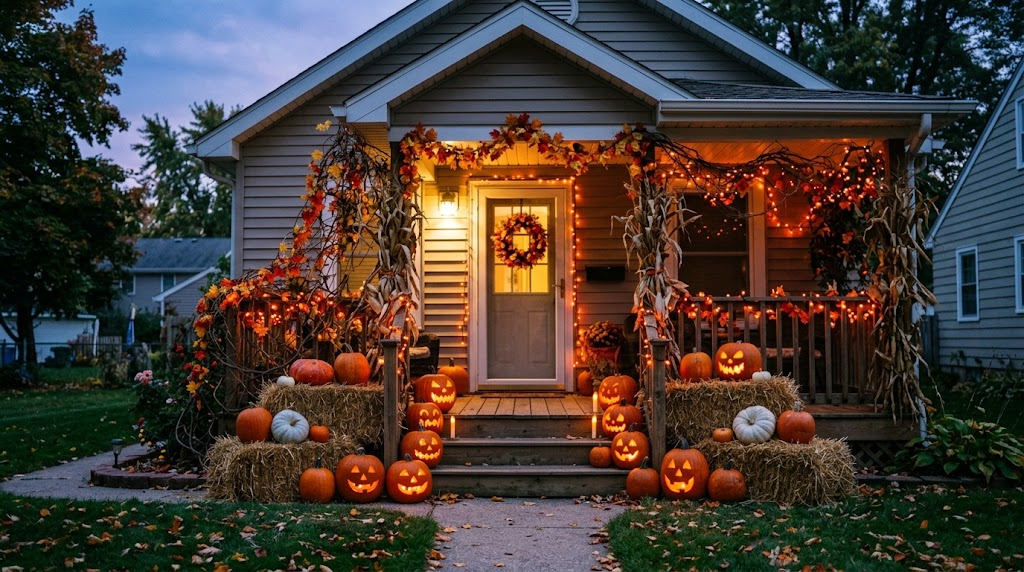
- Outdoor Decorations and Yard Displays ($4.0 Billion): From towering twelve-foot lawn skeletons and atmospheric fog machines to rustic hay bales and hand-carved heirloom pumpkins, decorating homes has evolved into a major competitive neighborhood art form.
- Greeting Cards, Parties, and Community Events ($1.1 Billion): Themed autumn gatherings, community trunk-or-treat events, and spooky party supplies rounded out the spending ledger.
Popular Costume Trends Dominating Autumn 2026
Costume choices provide a fascinating cultural mirror of the movies, gaming releases, and nostalgic themes capturing the public imagination over the past twelve months.
Retailers noted several standout trends across age brackets this season:
- Mainstream Superhero and Comic Villains: Gritty character adaptations and blockbuster comic book releases fueled heavy demand for classic caped heroes, anti-heroes, and dark fantasy figures.
- Nostalgic 1990s and 2000s Pop Culture: Young adults and couples heavily embraced vintage video game icons, classic animated characters, and retro music legends.
- Creative Pet Ensembles: Pet costume spending reached record highs, with family dogs and cats dressed as hot dogs, bumblebees, pumpkins, and miniature dinosaur sidekicks.
5 Essential Safety Guidelines for Halloween Night
With millions of pedestrians walking neighborhood streets alongside normal evening vehicle traffic, practicing smart, proactive safety ensures everyone makes it home with full treat bags and zero accidents:
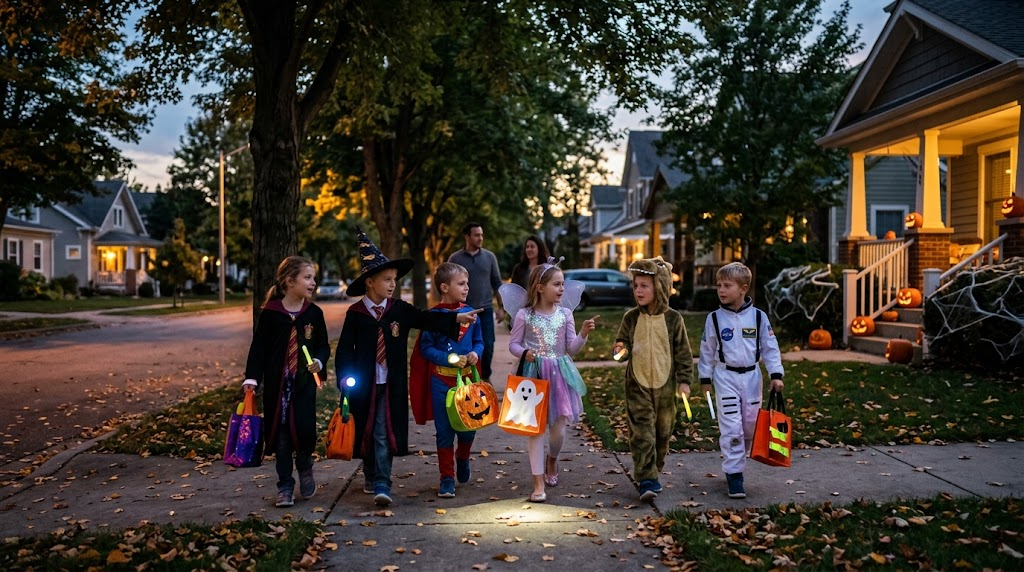
- Enhance Costume Visibility with Reflective Tape and Glow Sticks: Dark fabric blends invisibly into evening shadows. Attach strips of reflective adhesive tape to costume backs and treat bags, and provide children with battery-operated glow wands or small LED clip lights.
- Prioritize Face Paint Over Vision-Obstructing Plastic Masks: Bulky plastic masks can slip, restricting peripheral vision and making it difficult for children to spot cracked sidewalk edges, tree roots, or garden curbs. High-quality, hypoallergenic face paint provides creative fun while keeping vision clear.
- Establish Clear Pedestrian Safety Rules: Instruct children to stay on paved sidewalks rather than cutting across dark lawns where unseen electrical cords or guy-wires can cause trips. Always cross streets at illuminated crosswalks and never dart out from between parked cars.
- Keep Front Steps and Porches Clutter-Free: If you are handing out treats, sweep away wet autumn leaves, secure extension cords with gaffer tape, and ensure outdoor pathway floodlights are turned on so visitors can walk securely.
- Use Battery-Powered Tea Lights in Jack-o’-Lanterns: Replace open-flame wax candles with battery-operated LED tea lights inside carved pumpkins. This eliminates the fire hazard of billowing costume capes or loose fabrics brushing against real flames.
The Post-Trick-or-Treat Inspection Ritual
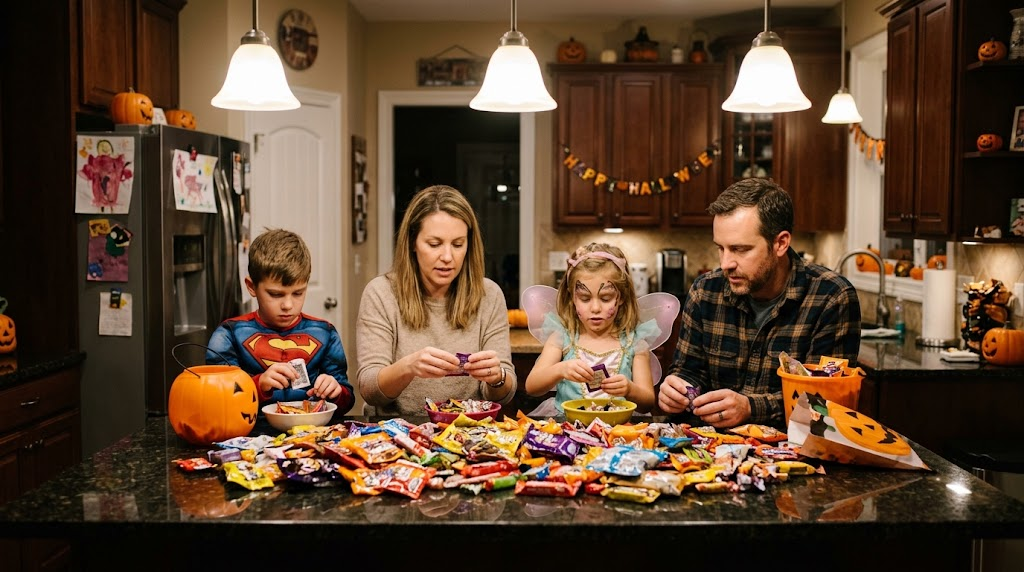
When the candy haul arrives back at the kitchen table, establishing a calm, fun inspection routine is a great tradition that protects young children:
- Inspect Wrappers Before Tasting: Sort through treats under bright kitchen lighting, discarding any items with torn, puncture-marked, or unsealed manufacturer packaging.
- Be Mindful of Food Allergies: Check ingredient labels carefully for common food allergens, including peanuts, tree nuts, dairy, soy, and gluten. Many neighborhoods now participate in the Teal Pumpkin Project, offering non-food trinkets like stickers and glow bracelets for children with severe food sensitivities.
- Ration the Stash for the Weeks Ahead: Instead of allowing a multi-day candy feast that causes sugar spikes and tooth decay, freeze excess chocolate variety packs or establish a clear daily treat guideline for November.