
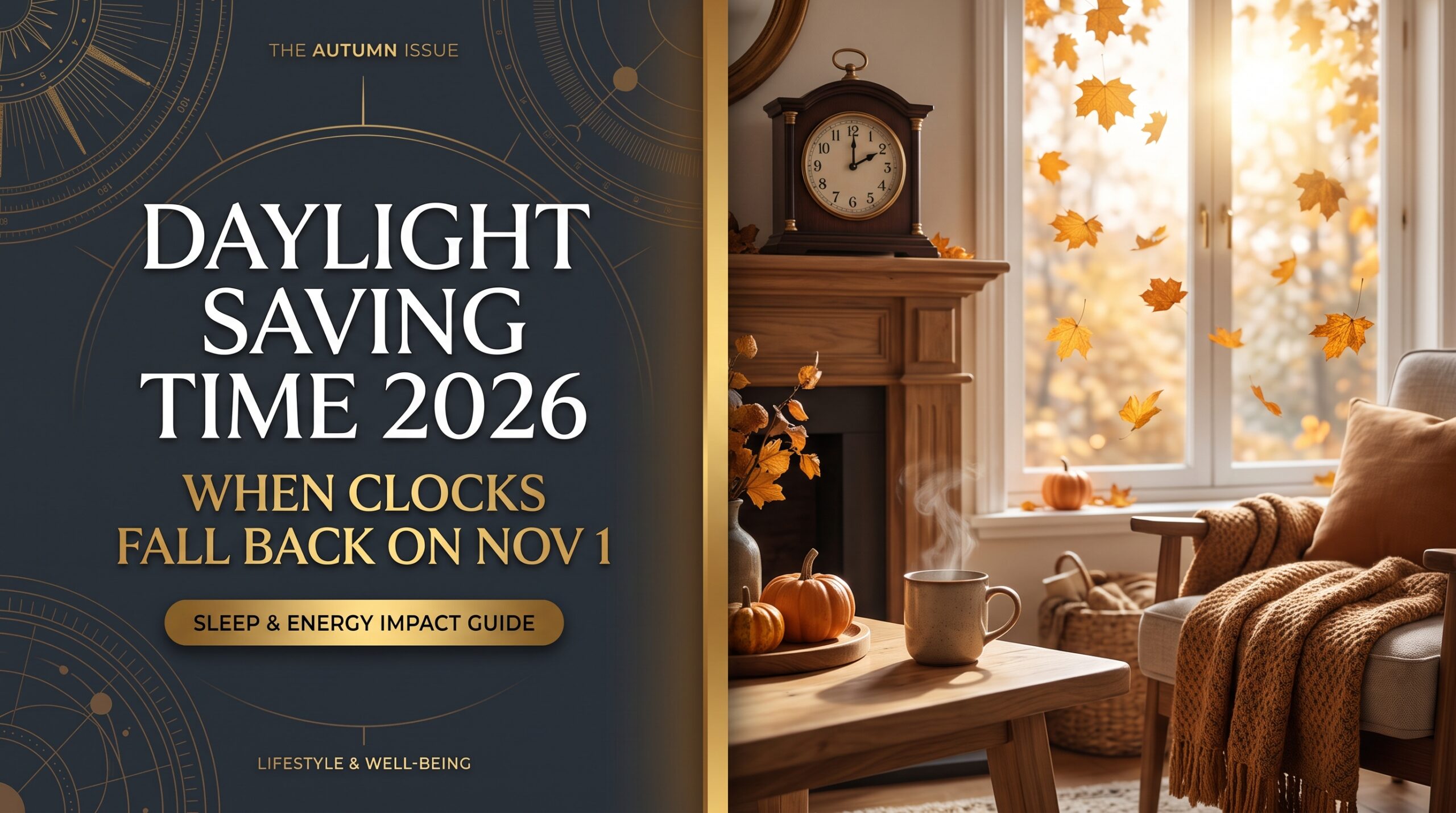
Daylight saving time ends on Sunday, November 1, 2026, at 2:00 a.m. Discover how “falling back” impacts circadian rhythms, home safety tasks, and sleep adjustment tips.
If you have noticed the evening twilight arriving a little earlier each week while autumn leaves carpet suburban sidewalks, your internal calendar is right on schedule.
In the early morning hours of Sunday, November 1, 2026, daylight saving time officially comes to an end across the United States. At precisely 2:00 a.m. local time, clocks will “fall back” one full hour to 1:00 a.m., returning the majority of the nation to standard time. While that extra sixty minutes of slumber sounds like an outright blessing on a cool Sunday morning, the sudden seasonal shift alters daily daylight exposure, impacts sleep architecture, and serves as an annual reminder to perform essential home safety checks before winter sets in.
For roughly eight months since clocks sprang forward in early March, Americans enjoyed extended evening daylight for outdoor recreation, community sports, and garden work. Now, as the sun begins setting well before 5:30 p.m. in northern latitudes, understanding how to navigate the transition will keep your energy levels steady and your household running smoothly.
When Exactly Do Clocks Change on November 1?
The statutory transition from daylight saving time to standard time is governed by federal law under the Energy Policy Act, which designates the first Sunday in November as the nationwide rollback date:
- The Official Switch Time: The time change occurs at 2:00 a.m. local time on Sunday, November 1, 2026.
- Automatic Digital Adjustments: Most modern smartphones, tablets, smartwatches, and computer operating systems update their internal clocks automatically over cellular and Wi-Fi networks while you sleep.
- Manual Household Clocks: Analog wall clocks, microwave displays, oven timers, bedside vintage alarm clocks, and vehicle dashboards will require manual adjustment by one hour backward before you head to bed on Saturday night.
- Exempt States and Territories: Residents living in Arizona (with the exception of the Navajo Nation), Hawaii, Puerto Rico, the U.S. Virgin Islands, Guam, and American Samoa do not observe daylight saving time and will not change their clocks this weekend.
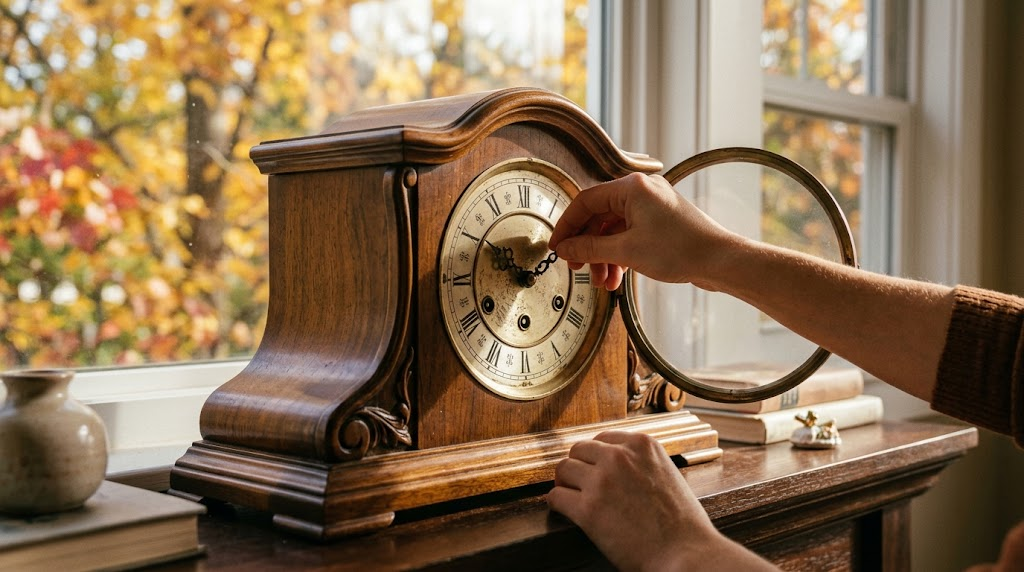
The Biological Impact: Why “Gaining an Hour” Can Still Disrupt You
It is a common myth that falling back is completely effortless because people theoretically gain an extra hour of rest. Sleep medicine specialists emphasize that human biology operates on an internal circadian pacemaker that does not instantly reset simply because numbers on a wall clock change.
Human circadian rhythms rely heavily on morning sunlight exposure to regulate melatonin production, cortisol cycles, and core body temperatures:
- Early Morning Wakefulness: Because your body’s internal rhythm remains programmed to the previous schedule, you may find yourself waking up an hour earlier than expected on Sunday and Monday mornings.
- The Evening Energy Crash: With darkness falling substantially earlier in the late afternoon, your brain begins producing melatonin earlier in the evening, leading to sluggishness around dinner time.
- Seasonal Affective Considerations: Less afternoon sunshine can reduce natural Vitamin D synthesis and impact serotonin levels, triggering mild seasonal blues during the first two weeks of November.
4 Evidence-Based Tips to Reset Your Sleep Clock
To minimize morning grogginess and help your family adjust seamlessly to standard time, incorporate these four practical habits starting this weekend:
- Step Into Morning Sunlight Immediately: Within thirty minutes of waking up on Sunday and Monday, spend ten to fifteen minutes outdoors or near a sunlit window. Direct morning photons suppress melatonin and anchor your daily wake cycle.
- Maintain Consistent Bedtimes: Resist the temptation to stay up an hour later on Saturday night simply because you have an extra hour in the morning. Going to bed at your regular time ensures your central nervous system absorbs the extra rest.
- Delay Evening Dinner by Fifteen Minutes: Gradually shifting meal times by fifteen minutes over four consecutive days helps your digestive system synchronize with the new standard clock.
- Dim Overhead Indoor Lighting After Sunset: Bright cool-white LED overhead bulbs confuse your brain’s photoreceptors. Switch to warm amber table lamps and enable evening night-shift display filters on mobile devices after 6:00 p.m.
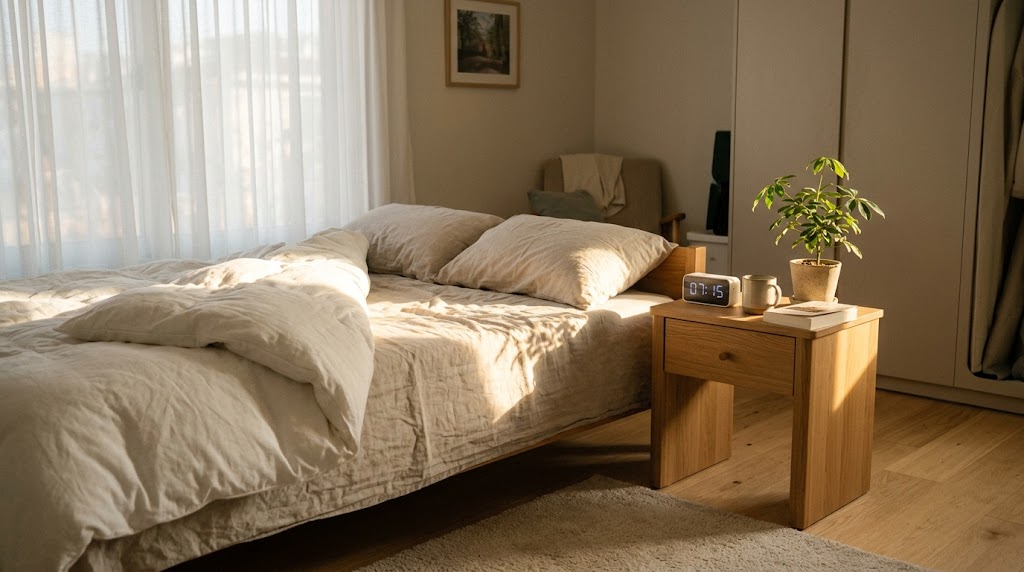
The Lifesaving Ritual: Semi-Annual Home Safety Maintenance
For decades, fire safety organizations, local emergency services, and public health agencies have paired the fall clock change with an urgent community reminder: “Change Your Clock, Change Your Batteries.”
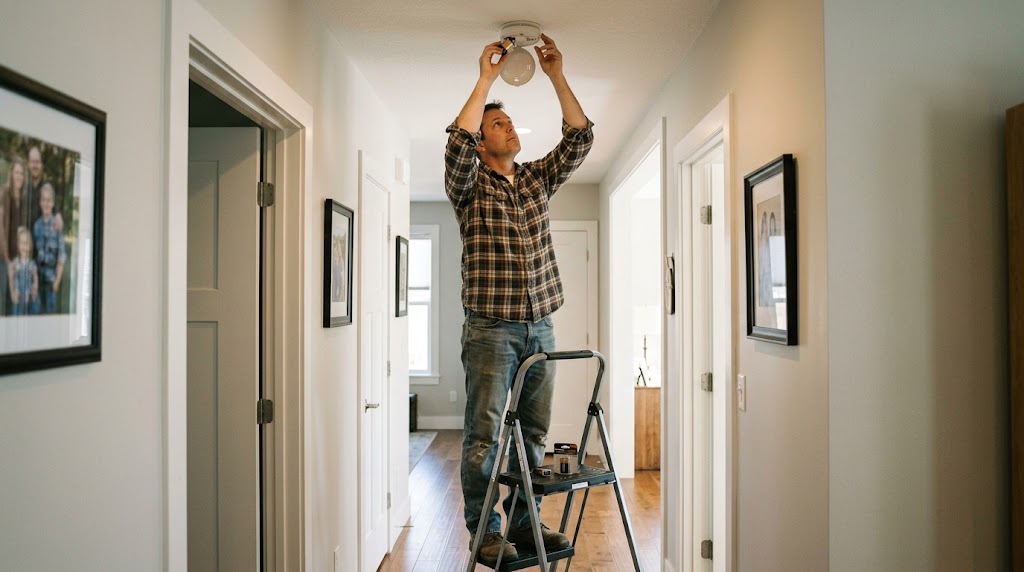
Taking thirty minutes on Sunday to walk through your home and complete routine preventive maintenance can prevent devastating residential fires and heating hazards:
- Replace Smoke and Carbon Monoxide Alarm Batteries: Install fresh alkaline batteries into every ceiling smoke detector and carbon monoxide monitor, even if the unit is not yet chirping. Press and hold the test button for five seconds to verify that sirens sound loud and clear.
- Check Manufacturer Expiration Dates on Sensors: Smoke detectors carry an operational lifespan of ten years from their manufacture date, while carbon monoxide sensors typically degrade after five to seven years. Replace any discolored or outdated units immediately.
- Reverse Ceiling Fan Direction to Clockwise: Adjust the small directional switch on your ceiling fans so the blades spin clockwise at low speed. This pulls cool air upward and gently circulates warm air that collects near ceilings back down into living spaces.
- Restock Vehicle Emergency Kits: As freezing temperatures approach, place warm blankets, a compact snow shovel, jumper cables, an LED flashlight with fresh batteries, and emergency bottled water in your vehicle trunk.
The Ongoing Debate: Will the U.S. Ever End Daylight Saving Time?
Every time the clocks change, the national debate reignites regarding whether biannual time shifts remain sensible in the twenty-first century.
While federal legislation known as the Sunshine Protection Act has been debated in Congress to make daylight saving time permanent year-round, scientific organizations and the American Academy of Sleep Medicine strongly advocate for permanent standard time instead. Chronobiologists argue that standard time aligns far more naturally with human biology and solar noon, preventing children from walking to school during pitch-black winter mornings. Until federal consensus is reached, the biannual tradition continues nationwide.