
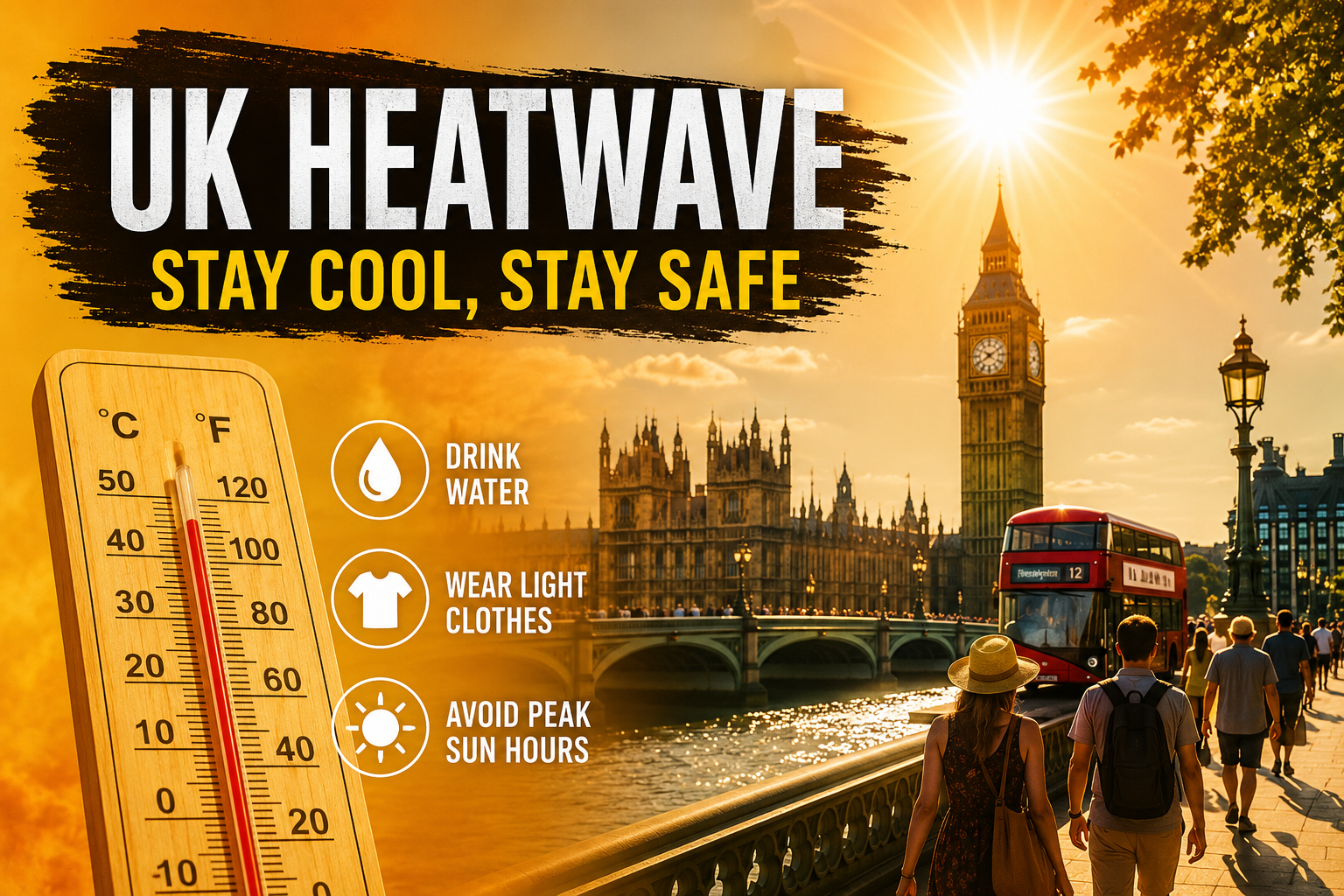
The UK heatwave in 2026 has brought renewed attention to the challenges of prolonged hot weather, including public health risks, travel disruptions, wildfire concerns, and pressure on essential services. When temperatures remain high for several consecutive days, everyday activities can become more difficult, particularly for older adults, young children, outdoor workers, and people with existing health conditions.
Hot weather can also affect transportation networks, increase household energy consumption, and place additional demands on emergency services. While sunshine can benefit tourism and outdoor businesses, extended periods of heat and dry weather may create serious challenges for communities across England, Scotland, Wales, and Northern Ireland.
Residents are encouraged to follow official weather forecasts, take sensible precautions, and remain aware of changing local conditions. Understanding the potential effects of a heatwave can help individuals and families make safer decisions during periods of unusually high temperatures.
How the UK Heatwave Could Affect Daily Life
A prolonged heatwave can influence many aspects of daily life, from sleep quality and outdoor exercise to commuting and holiday plans. Homes without effective ventilation or cooling systems can become particularly uncomfortable during the day and remain warm well into the evening.
Urban areas may experience higher temperatures than surrounding rural locations because buildings, roads, and other surfaces absorb and retain heat. This effect, commonly known as the urban heat island effect, can make hot weather more difficult to manage in densely populated cities.
People who rely on public transport may also face uncomfortable journeys, especially when trains, buses, and stations become crowded. Meanwhile, workers who spend long hours outdoors may need additional breaks, access to drinking water, and adjustments to their working schedules.
Although not every part of the UK experiences the same temperatures, local weather conditions can change quickly. Checking regional forecasts is therefore important when planning outdoor activities, travel, or other essential tasks.
Health Officials Highlight the Risks of Extreme Heat
High temperatures can place additional stress on the body, particularly when people spend long periods in direct sunlight or carry out strenuous physical activity. Dehydration, heat exhaustion, and heatstroke are among the main health concerns associated with extreme heat.
Heat exhaustion may cause heavy sweating, dizziness, headaches, weakness, nausea, and muscle cramps. Heatstroke is more serious and can become life-threatening if emergency treatment is delayed. Warning signs may include confusion, seizures, loss of consciousness, or a very high body temperature.
People should take symptoms seriously and avoid assuming that discomfort will disappear without intervention. If someone develops signs of heat exhaustion, moving them to a cooler place, helping them cool down, and offering water if they are fully alert and able to swallow can help. If heatstroke is suspected, call 999 immediately and begin cooling the person while waiting for emergency assistance.
Certain groups may face greater risks during a heatwave, including:
- Older adults, particularly those who live alone or have limited mobility.
- Babies and young children, whose bodies can heat up quickly.
- People with heart, lung, kidney, or other long-term health conditions.
- Individuals who take medicines that may affect hydration or temperature regulation.
- Outdoor workers, delivery drivers, construction workers, and people exercising in hot weather.
Anyone concerned about how heat may interact with a medical condition or medication should seek advice from a healthcare professional rather than stopping prescribed treatment independently.
Practical Ways to Stay Safe During a UK Heatwave
Taking a few straightforward precautions can reduce the effects of extreme temperatures. The goal is to keep the body cool, maintain hydration, and avoid unnecessary exposure to intense sunlight.
Drink Water Regularly
Drink water throughout the day rather than waiting until you feel very thirsty. People who sweat heavily may need additional fluids, although anyone who has been advised to restrict fluid intake for medical reasons should follow their healthcare professional’s guidance.
Alcohol and excessive caffeine may not be suitable choices for maintaining hydration during prolonged heat, particularly when consumed in large amounts.
Keep Your Home Cool
Close curtains or blinds on windows receiving direct sunlight during the day. When outdoor temperatures fall in the evening, opening windows can help improve ventilation, provided it is safe to do so.
Avoid using appliances that generate unnecessary heat, and spend time in a cooler room whenever possible. If your home becomes dangerously hot, consider visiting a cooler public building or another suitable location.
Limit Outdoor Activities During Peak Heat
Where possible, schedule exercise, shopping, gardening, and other outdoor tasks for cooler parts of the day. If you need to go outside, choose shaded routes, wear lightweight clothing, and take regular breaks.
Use sunscreen to protect exposed skin and consider wearing a wide-brimmed hat. Remember that sunscreen reduces the risk of sun damage but does not prevent the body from overheating.
Check on Vulnerable People
A heatwave can be especially difficult for people who live alone or cannot easily access cool spaces. Checking on older relatives, neighbours, and other vulnerable individuals can help identify problems before they become emergencies.
Never leave children, vulnerable adults, or pets inside a parked vehicle. Temperatures inside a vehicle can rise rapidly, even when the weather outside does not feel exceptionally hot.
UK Transport Services Could Face Heat-Related Disruptions
Extreme temperatures can affect railway infrastructure and create additional challenges for commuters and holidaymakers. Railway tracks absorb heat from the sun and can expand, increasing the risk of track distortion under certain conditions.
Rail operators may introduce temporary speed restrictions or adjust services when temperatures reach levels that could affect safe operations. These measures can result in longer journey times, timetable changes, or cancellations.
Road users may also experience delays due to increased holiday traffic, road maintenance, or other seasonal factors. Drivers should prepare for longer journeys, carry drinking water, and ensure that their vehicles are suitable for travel in hot conditions.
Air travel is not automatically disrupted by a heatwave, but individual flights can still be affected by operational conditions, busy airports, or weather-related issues. Passengers should check directly with their airlines and transport providers before leaving home.
For reliable updates, travellers can consult National Rail, their local transport operator, National Highways, or the relevant airport’s official website.
Wildfire Risk Increases During Hot and Dry Weather
Extended periods of sunshine and limited rainfall can dry out grass, vegetation, woodland, and heathland. When these conditions combine with wind, fires can spread rapidly and become difficult for emergency services to control.
Wildfires can threaten homes, wildlife habitats, public parks, and rural communities. Smoke may also reduce air quality and create additional health concerns for people with respiratory conditions.
Residents and visitors can help reduce the risk by avoiding disposable barbecues in high-risk locations, never leaving an open fire unattended, and disposing of cigarettes safely. People should follow local restrictions and fire-service advice when visiting parks, beaches, forests, and countryside areas.
If you discover a fire, move away from the danger and contact emergency services when it is safe to do so. Do not attempt to tackle a spreading wildfire yourself.
Landowners and local authorities may also need to monitor particularly dry areas and communicate fire risks to visitors. Prevention is important because even a small source of ignition can cause significant damage under the right conditions.
Economic Effects of the UK Heatwave
The economic impact of a heatwave can vary considerably between industries. Some businesses may benefit from increased demand, while others face higher costs, reduced productivity, or operational difficulties.
Tourism and Hospitality
Warmer weather can encourage people to visit beaches, parks, gardens, outdoor attractions, and coastal destinations. Cafés, restaurants, ice cream shops, and accommodation providers may experience increased customer demand during favourable periods.
However, extremely high temperatures can also discourage visitors from spending extended periods outdoors. Businesses may need to provide shaded seating, drinking water, and other measures to make their premises more comfortable.
Agriculture and Food Production
Agriculture can be particularly sensitive to prolonged hot and dry conditions. Crops may require additional irrigation, soil moisture can decline, and livestock may experience heat stress if they lack sufficient shade and water.
The effects depend on the crop, location, soil conditions, and amount of rainfall. If hot weather continues without adequate water, some farms may face reduced yields or higher operating costs.
These pressures can affect food production and supply chains, although the extent of any impact cannot be determined from temperatures alone.
Construction and Outdoor Employment
Construction workers, delivery personnel, agricultural workers, and other outdoor employees may face greater risks when temperatures rise. Heat can reduce concentration, increase fatigue, and make physically demanding work more hazardous.
Employers should assess heat-related risks and consider measures such as additional rest breaks, access to drinking water, shaded recovery areas, and changes to working hours where appropriate.
Protecting workers is essential not only for individual health but also for maintaining safe and effective operations.
Household Energy Costs
Hot weather can increase electricity consumption as households use fans and other cooling equipment for longer periods. Businesses may also require additional energy to maintain comfortable indoor conditions.
The financial effect depends on household energy tariffs, equipment efficiency, building insulation, and how long the heat lasts. Simple steps such as shading sunny windows, improving ventilation at cooler times, and switching off unnecessary appliances may help manage indoor temperatures and energy use.
Weather Outlook: Why Official Forecasts Matter
Heatwave conditions can vary from one region to another, and temperatures may change as weather systems move across the country. A period of hot weather in southern England does not necessarily mean that Scotland, Wales, and Northern Ireland will experience identical conditions.
Forecasts can help residents understand expected daytime highs, overnight temperatures, humidity, and the possibility of thunderstorms or rainfall. These details are important because warm nights can make it harder for the body to recover from daytime heat.
Readers should check the latest information from the UK Met Office and follow any relevant guidance issued by local authorities and public health agencies. Official updates are particularly important when severe weather warnings, travel advice, or wildfire restrictions are introduced.
Rather than relying on a single forecast, checking updates regularly can help people adjust their plans as conditions develop.
How Families Can Prepare for Future Heatwaves
Preparing before temperatures rise can make extreme weather easier to manage. Families can start by identifying the coolest room in their home and deciding where to go if indoor temperatures become uncomfortable.
It is also helpful to keep drinking water available, plan outdoor activities around cooler periods, and make arrangements to check on relatives who may need additional assistance.
Parents should ensure that children have access to shade, suitable clothing, and regular opportunities to drink water. Pet owners should provide fresh water and a cool resting area, avoiding strenuous walks during the hottest parts of the day.
People who work outdoors should discuss heat-safety arrangements with their employers before conditions become severe. Businesses can also review their emergency procedures, staff welfare measures, and plans for possible transport or supply-chain disruptions.
These practical preparations can reduce unnecessary exposure and help households respond more effectively when hot weather arrives.
Frequently Asked Questions About the UK Heatwave 2026
Why can a UK heatwave be dangerous?
Prolonged high temperatures can cause dehydration, heat exhaustion, and potentially life-threatening heatstroke. Heat can also worsen some existing health conditions, increase wildfire risk, and affect transport infrastructure.
How can I stay safe during extreme heat in the UK?
Drink water regularly, keep indoor spaces as cool as possible, avoid strenuous activity during the hottest hours, wear suitable clothing, and check on people who may be more vulnerable to heat. Follow official health and weather advice for your area.
Can a heatwave disrupt UK train services?
Yes. High temperatures can affect railway tracks and other infrastructure. Operators may introduce speed restrictions, amend timetables, or cancel services when necessary. Passengers should check the latest travel information before setting off.
Does hot weather increase the risk of wildfires?
Yes. Hot, dry conditions can make grass, woodland, and other vegetation more vulnerable to ignition. Wind can allow fires to spread rapidly, so visitors should follow local fire-safety restrictions and avoid unsafe activities.
Where can I find reliable UK heatwave updates?
The UK Met Office provides official weather forecasts and warnings. The NHS offers health guidance, while local authorities, fire services, railway operators, and road authorities provide relevant regional safety and travel updates.
Conclusion
The UK heatwave in 2026 highlights the importance of preparing for periods of unusually hot weather. Although sunshine can support tourism and outdoor recreation, prolonged heat may increase health risks, affect transport services, raise wildfire concerns, and create challenges for households and businesses.
Simple precautions can make a meaningful difference. Staying hydrated, keeping indoor spaces cool, limiting strenuous outdoor activities during peak temperatures, and checking on vulnerable people can help reduce the risk of heat-related illness.
Travellers should monitor official transport updates, while residents in dry or high-risk areas should follow local fire-safety guidance. Above all, people should rely on current forecasts and trusted public health advice rather than assumptions about how long hot conditions will last.
By taking sensible precautions and remaining informed, individuals, families, and businesses can better manage the challenges associated with extreme heat across the United Kingdom.
Great content! Keep up the good work!