

U.S. holiday retail sales are projected to top an unprecedented $1.013 trillion in November and December 2026. Discover key consumer trends, Gen Z habits, and shopping shifts.
If you have walked through an illuminated shopping galleria or browsed digital storefronts over the first two weeks of November, you have observed the early stages of what is officially projected to be the largest economic retail shopping event in human history.
According to annual holiday retail benchmark forecasts released by the National Retail Federation (NRF), total U.S. holiday retail sales across November and December 2026 are projected to climb 4.2 percent to 4.5 percent year-over-year, officially crossing the monumental $1.013 trillion threshold for the very first time. Complementary macroeconomic projections from Deloitte and Bain & Company anticipate that when accounting for extended seasonal spending stretching from late October through January clearances, total holiday expenditures will reach an astounding $1.71 trillion.
Yet behind the staggering headline trillion-dollar valuation lies a consumer spending landscape undergoing profound behavioral transformations. From the unexpected in-store shopping resurgence led by Gen Z to the explosion of artificial intelligence shopping assistants and surging demand for experiential gifts, understanding these structural retail shifts allows everyday consumers to navigate the holiday rush with maximum savings and financial discipline.
Deconstructing the $1 Trillion Milestone: Where Consumer Dollars Flow
Achieving a trillion-dollar seasonal retail milestone does not happen through price inflation alone; it reflects a deeply resilient American consumer base that steadfastly prioritizes holiday traditions, family gatherings, and gift-giving.
Retail logistics tracking and consumer sentiment surveys reveal several defining pillars behind the record-breaking numbers:
- The Longest Shopping Season on Record: The traditional boundary separating early autumn from holiday shopping has permanently dissolved. Over half of American consumers began researching and purchasing holiday gifts in mid-October, spreading holiday expenses across multiple paychecks to avoid severe December credit card spikes.
- Digital and Mobile Shopping Acceleration: Online holiday transactions are forecast to outpace general retail growth, climbing 7.5 to 8.5 percent. Most importantly, mobile commerce now accounts for more than fifty-two percent of all online holiday checkout volume.
- The “Experience-First” Gifting Surge: Consumer budgets allocated toward experiential gifts—such as concert tickets, family vacation passes, culinary cooking classes, and spa wellness packages—are projected to expand by 17.3 percent, signaling a cultural evolution where memories are valued alongside material goods.
- The Post-Christmas “Second Season”: Nearly forty-eight percent of shoppers plan to participate in post-holiday clearance events, with fifty-seven percent of those consumers purchasing discounted apparel and electronics for themselves using holiday gift cards and cash gifts.
The Gen Z Paradox: Why Younger Shoppers Are Returning to Physical Stores
One of the most surprising findings emerging from 2026 retail surveys completely challenges conventional assumptions about younger, digitally native demographics.
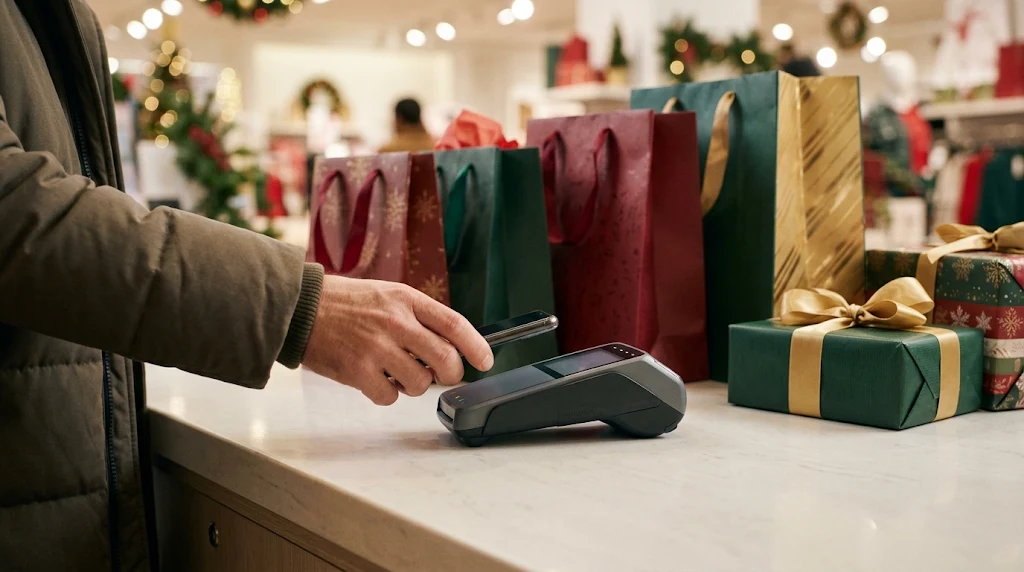
While older generations increasingly favor the convenience of doorstep delivery, Generation Z shoppers are leading a major resurgence back into physical brick-and-mortar storefronts:
- In-Store Shopping Preference: Twenty-eight percent of Gen Z consumers report that physical retail storefronts are their primary destination for holiday gift discovery, outranking purely digital platforms.
- The Desire for Tactile Quality and Social Connection: Young shoppers place a heavy premium on feeling fabric textures, verifying product build quality in person, and enjoying the festive social atmosphere of holiday shopping malls alongside friends.
- Instant Gratification Without Delivery Anxiety: Shopping in physical stores eliminates worries regarding delayed ground shipping, damaged transit boxes, or porch pirate theft during the final weeks before Christmas.
The AI Transformation: How Algorithms Guide Modern Purchasing
Artificial intelligence is no longer confined to corporate logistics centers; it has arrived directly in the palms of holiday shoppers.
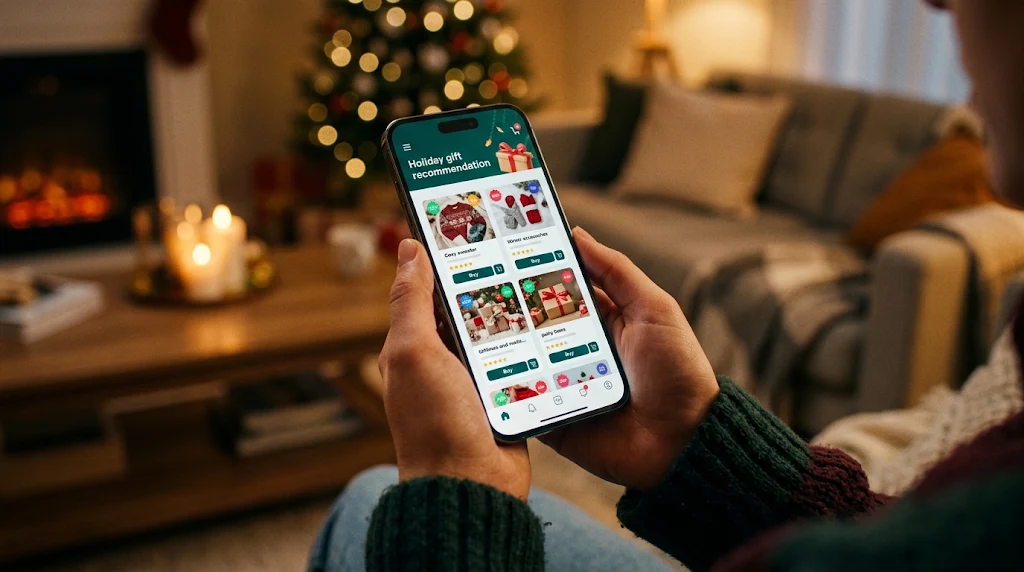
Consumer technology data shows that over fifty-two percent of American shoppers now actively consult generative AI tools and conversational search engines to guide their holiday purchasing decisions:
- Curated Gift Discovery: Shoppers use AI prompts to identify unique, highly tailored gift concepts based on specific recipient hobbies, age brackets, and budget constraints.
- 130 Percent Traffic Spike to AI-Optimized Portals: Retail website traffic driven by AI search recommendations has surged dramatically, with brands optimizing product descriptions for conversational queries rather than simple keyword tags.
- Real-Time Price Comparison: Mobile browser assistants automatically scan competing digital retailers at checkout, alerting shoppers if the exact same item is available for less money elsewhere.
4 Prudent Rules to Conquer the Holiday Shopping Rush
To ensure your family participates in the joy of the holiday season without experiencing a painful financial hangover in January, implement these four disciplined shopping strategies:
1. Build an Itemized Gift Spreadsheet With Strict Spending Caps
Never enter a shopping mall or open a retail app without a concrete, written budget. List every single individual you intend to purchase a gift for alongside an exact, non-negotiable dollar limit. Tracking purchases against a firm spending ceiling prevents small impulse add-ons from inflating your total bill by hundreds of dollars.
2. Capitalize on Early-Bird Price Match Guarantees
Major retailers now offer holiday price protection extending through Christmas Eve. If an item you purchase today drops in price during Black Friday or Cyber Week, customer service will automatically refund the difference upon request. Retaining digital receipts on your smartphone makes capturing price adjustments effortless.
3. Resist High-Interest Store Credit Card Pitches at Checkout
Retail sales associates are heavily incentivized to push store-branded credit cards promising an immediate fifteen percent discount at the register. Because these cards frequently carry exorbitant variable interest rates exceeding thirty percent, carrying any balance beyond thirty days completely destroys the initial savings. Stick to existing payment methods offering straightforward cash-back rewards.
4. Prioritize Quality Over Disposable Quantity
Consumer surveys show that recipients appreciate one thoughtful, durable gift far more than multiple inexpensive novelty items that end up discarded by spring. Focus on well-crafted essentials that deliver genuine utility and lasting enjoyment throughout the year.