

The Preakness Stakes 2026 marked an important chapter in American horse racing, bringing together racing enthusiasts, sports fans, and visitors for one of the most recognized events on the U.S. sporting calendar. Known for its long-standing traditions, competitive thoroughbred racing, and vibrant atmosphere, the Preakness Stakes continues to attract attention from audiences across the country.
This year’s event was particularly notable because of a temporary change in venue. Instead of taking place at its traditional home, Pimlico Race Course in Baltimore, Maryland, the 2026 Preakness Stakes was held at Laurel Park while redevelopment work at Pimlico continued. The move introduced a different setting for the historic race while keeping the spotlight on one of the central events in American thoroughbred racing.
The Preakness Stakes is traditionally the second race in the American Triple Crown series, following the Kentucky Derby and preceding the Belmont Stakes. Every year, the race gives eligible three-year-old thoroughbreds another opportunity to compete at a high level and adds a new chapter to the sport’s history.
Although the absence of the Kentucky Derby winner meant that a Triple Crown victory was no longer possible in 2026, the Preakness Stakes remained an important event in its own right. The race continued to showcase the skill of the horses, the preparation of their trainers, and the decisions made by jockeys under pressure.
Beyond the competition, the Preakness Stakes is also known for its fashion, hospitality, entertainment, and connection to Maryland’s sporting culture. The 2026 edition demonstrated how a historic event can adapt to changing circumstances while maintaining its identity and appeal.
Why the Preakness Stakes 2026 Was Different
The most significant change surrounding the 2026 Preakness Stakes was its temporary relocation to Laurel Park. For decades, Pimlico Race Course has been closely associated with the race, making the Baltimore venue an important part of its identity.
However, redevelopment plans at Pimlico required a different arrangement for the 2026 running. Laurel Park, another established Maryland horse racing venue, provided an alternative location while work at the traditional home of the Preakness continued.
For racing fans, the venue change created a different experience. The atmosphere, track environment, and event arrangements were not identical to those associated with Pimlico, although the race retained its place in the Triple Crown calendar.
The relocation also highlighted the practical challenges involved in maintaining major sporting traditions while upgrading aging facilities. Large racing events require suitable track conditions, spectator areas, safety arrangements, and operational support. Moving an event of this scale requires coordination among organizers, racing officials, participating teams, and local authorities.
For Maryland, the temporary change represented more than a simple adjustment to the racing calendar. It also drew attention to the future of the state’s horse racing infrastructure and the importance of maintaining facilities that can accommodate major sporting events.
What Is the Preakness Stakes?
The Preakness Stakes is one of the most prestigious races in American thoroughbred horse racing. First held in 1873, the event has developed into a major sporting tradition with a history spanning more than a century.
The race is part of the American Triple Crown, a series of three major races for eligible three-year-old thoroughbreds. The Kentucky Derby traditionally takes place first, followed by the Preakness Stakes and then the Belmont Stakes.
Winning the Preakness is a significant achievement for a horse, its trainer, its jockey, and its owners. The event also provides an opportunity for horses that did not compete in the Kentucky Derby, or did not achieve the desired result there, to establish themselves on a major stage.
The race is generally contested over a distance of one and three-sixteenths miles, or 9.5 furlongs. Its shorter distance compared with the Belmont Stakes creates a different test of pace, positioning, and stamina.
Although the Preakness is closely connected to the Triple Crown, it remains an important competition independently of the series. Every edition adds to the race’s historical record and contributes to the broader story of American horse racing.
Triple Crown Hopes Ended Before the Preakness
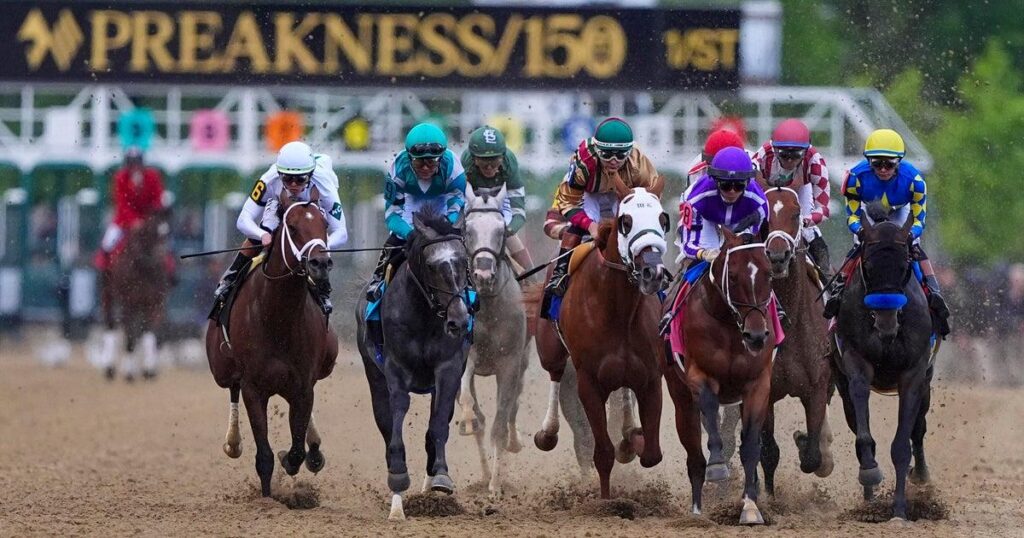
One of the major storylines surrounding the 2026 Preakness Stakes was the absence of the Kentucky Derby winner. Because the Triple Crown requires a horse to win all three designated races in the same year, a Derby winner that does not compete in the Preakness cannot complete the series.
That meant the possibility of a Triple Crown champion was no longer part of the 2026 Preakness narrative.
Nevertheless, the absence of the Derby winner did not remove the significance of the race. The Preakness has its own history, competitive traditions, and championship implications. Horses entering the race still have an opportunity to earn recognition, demonstrate their ability, and strengthen their standing within the sport.
For trainers and owners, the race also represents an important opportunity to evaluate how their horses perform against strong competition over a demanding distance. A successful performance can influence future race planning and help establish a horse’s reputation.
For spectators, the field provides a chance to discover emerging contenders and follow the progress of promising thoroughbreds. The uncertainty of horse racing is one of the reasons major races continue to attract such interest, even when a Triple Crown victory is no longer possible.
Laurel Park and the Future of Maryland Horse Racing
The decision to hold the 2026 Preakness Stakes at Laurel Park placed additional attention on Maryland’s wider horse racing industry.
Laurel Park has long played a role in the state’s racing calendar. Hosting the Preakness provided the venue with an opportunity to accommodate one of the sport’s most prominent events during a period of change for Pimlico.
Major sporting venues require ongoing investment to maintain safe facilities, improve the spectator experience, and support the needs of modern events. Redevelopment can involve improvements to infrastructure, visitor facilities, operational systems, and the surrounding area.
The work at Pimlico has also focused public attention on the relationship between historic sporting locations and the communities that surround them. A venue can carry considerable cultural significance, but maintaining it for future generations may require substantial changes.
The temporary relocation does not mean that the Preakness has permanently abandoned Pimlico. The race’s longer-term home depends on the progress of redevelopment and the arrangements established by its organizers.
For Maryland racing fans, the central question is how the state can preserve the traditions associated with the Preakness while providing facilities suitable for future generations of competitors and spectators.
The Role of Horses, Jockeys, and Trainers
Behind every major horse race is a team of professionals responsible for preparing the horses and making decisions that can influence the outcome.
Thoroughbred racing requires a combination of physical ability, conditioning, tactical awareness, and careful management. Horses must be prepared for the distance and pace of the race, while trainers evaluate their readiness and develop appropriate race strategies.
Jockeys face a different but equally demanding challenge. They must assess the pace, manage their horse’s position, respond to competitors, and make decisions as the race develops. Small differences in timing and positioning can influence the final result.
Track conditions are also important. The condition of the racing surface can affect how horses move and how jockeys approach the competition. Weather, pace, and the behaviour of other horses can create additional variables.
For these reasons, race preparation involves much more than speed alone. Conditioning, experience, tactical judgment, and the ability to respond to changing circumstances all contribute to performance.
The Preakness Stakes brings these elements together in a highly visible competition that allows racing professionals to demonstrate their expertise.
Preakness Stakes Fashion, Food, and Entertainment
The Preakness Stakes is not solely a sporting competition. It is also a social occasion that attracts visitors interested in fashion, hospitality, entertainment, and Maryland’s wider cultural identity.
Fashion has traditionally played a role in the event, with attendees often choosing colourful outfits, statement hats, and distinctive accessories. For many visitors, preparing an outfit is part of the experience, particularly when attending hospitality events or gathering with friends.
Food and beverages also contribute to the atmosphere. Race-day hospitality can include dining options, refreshments, and social spaces that allow spectators to enjoy the occasion beyond the time spent watching the horses.
Entertainment and special events may provide additional attractions, depending on the year’s programme and ticket arrangements. These activities can make the Preakness appealing to people who are interested in the broader festival atmosphere as well as the racing itself.
However, the exact experience varies according to ticket type, venue arrangements, and the official event schedule. Visitors should consult official information before making plans.
The combination of sport and entertainment helps explain why the Preakness Stakes remains a recognizable part of the American sporting calendar.
Economic Impact of the Preakness Stakes 2026
Major sporting events can generate economic activity for surrounding communities. The Preakness Stakes can support demand for hotels, restaurants, transportation services, retailers, and other local businesses.
Visitors travelling to attend the race may spend money on accommodation, food, shopping, and other activities during their stay. Local businesses may also benefit from increased attention surrounding the event.
The temporary venue change created a different operational setting for 2026, with potential implications for visitor travel and businesses near Laurel Park. The actual economic impact depends on attendance, visitor spending, event costs, and other local conditions.
The horse racing industry also supports a wider network of employment and commercial activity. Trainers, jockeys, stable staff, veterinarians, track employees, transportation providers, and other specialists contribute to the preparation and delivery of racing events.
At the same time, economic benefits should not be assumed to be identical for every business or community. Some companies may experience higher demand, while others may see limited changes depending on their location and the event’s arrangements.
The Preakness therefore provides an opportunity to consider both the sporting importance of the race and its role within Maryland’s tourism and business landscape.
How the Preakness Stakes Fits Into the Triple Crown
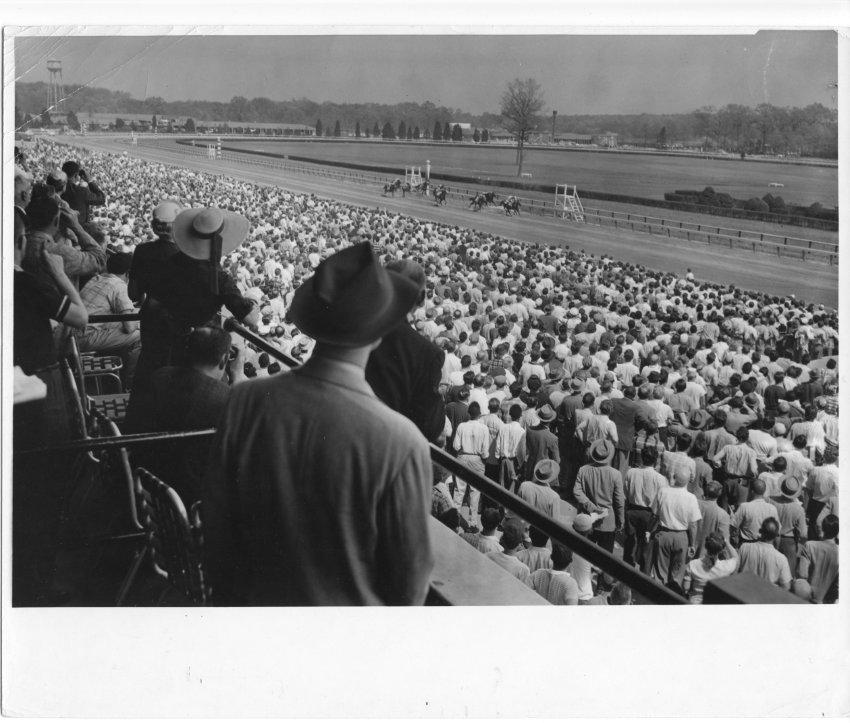
The American Triple Crown consists of three major races for three-year-old thoroughbreds: the Kentucky Derby, the Preakness Stakes, and the Belmont Stakes.
Each race presents a different challenge, and winning all three in the same year is a rare achievement. The series requires a horse to demonstrate speed, stamina, and the ability to compete successfully across a demanding sequence of races.
The Kentucky Derby traditionally opens the series and is known for its large field and intense early competition. The Preakness follows, offering another major test over a shorter distance than the Belmont Stakes. The final race then places additional emphasis on stamina and race management.
Because the races take place within a relatively short period, decisions about conditioning and recovery are particularly important. Owners and trainers must consider each horse’s physical condition and racing schedule when deciding which events to enter.
Not every leading horse competes in all three races. Different training plans, recovery needs, and racing objectives can influence participation.
That is why each Triple Crown race can produce a competitive field with its own storylines, even when the possibility of a Triple Crown champion has already disappeared.
What Racing Fans Should Know About Future Preakness Events
Fans planning to attend future Preakness Stakes events should pay attention to official announcements about the venue, ticket sales, travel arrangements, and the racing schedule.
Because the 2026 race was held at Laurel Park during redevelopment at Pimlico, future arrangements should not be assumed to be identical. The timing of the return to Pimlico depends on the relevant redevelopment plans and official decisions.
Visitors should confirm the location before booking hotels or arranging transportation. They should also check event policies, parking availability, public transportation options, and any restrictions that may affect their visit.
Those watching remotely can follow official racing coverage and event announcements to learn about participating horses, race-day developments, and results.
For newcomers, the Preakness can be an accessible introduction to thoroughbred racing. Learning about the horses, understanding the basic rules, and following the Triple Crown calendar can make the event more enjoyable.
For long-time fans, the race offers another opportunity to follow the sport’s established traditions while observing how the industry evolves.
Frequently Asked Questions About the Preakness Stakes 2026
Where was the Preakness Stakes held in 2026?
The 2026 Preakness Stakes was held at Laurel Park in Maryland rather than Pimlico Race Course. The temporary relocation was associated with redevelopment work at Pimlico.
Why was the Preakness Stakes moved to Laurel Park?
The venue change allowed the race to continue while redevelopment work at its traditional home, Pimlico Race Course, was underway. Laurel Park served as the alternative venue for the 2026 event.
What is the distance of the Preakness Stakes?
The Preakness Stakes is traditionally run over one and three-sixteenths miles, equivalent to 9.5 furlongs.
Why is the Preakness Stakes important?
The Preakness is the second race in the American Triple Crown series and one of the most recognized events in thoroughbred racing. It combines elite competition with a long sporting history and established cultural traditions.
Could a Triple Crown champion emerge in 2026?
No. With the Kentucky Derby winner absent from the Preakness, that horse could not win all three Triple Crown races in 2026. The Preakness nevertheless remained a significant race in its own right.
Will the Preakness Stakes return to Pimlico?
The race’s future location depends on redevelopment progress and official arrangements. Fans should consult announcements from the race organizers and Maryland racing authorities for confirmed information.